




How Does Self-Adhesive Technology Change Color Steel Tile Installation?
In traditional roofing construction, installing color steel tiles usually requires additional fixing materials, sealants, or adhesives to improve stability and waterproof performance. However, with the development of composite materials, self-adhesive technology is changing the way modern roofing materials are designed and installed.
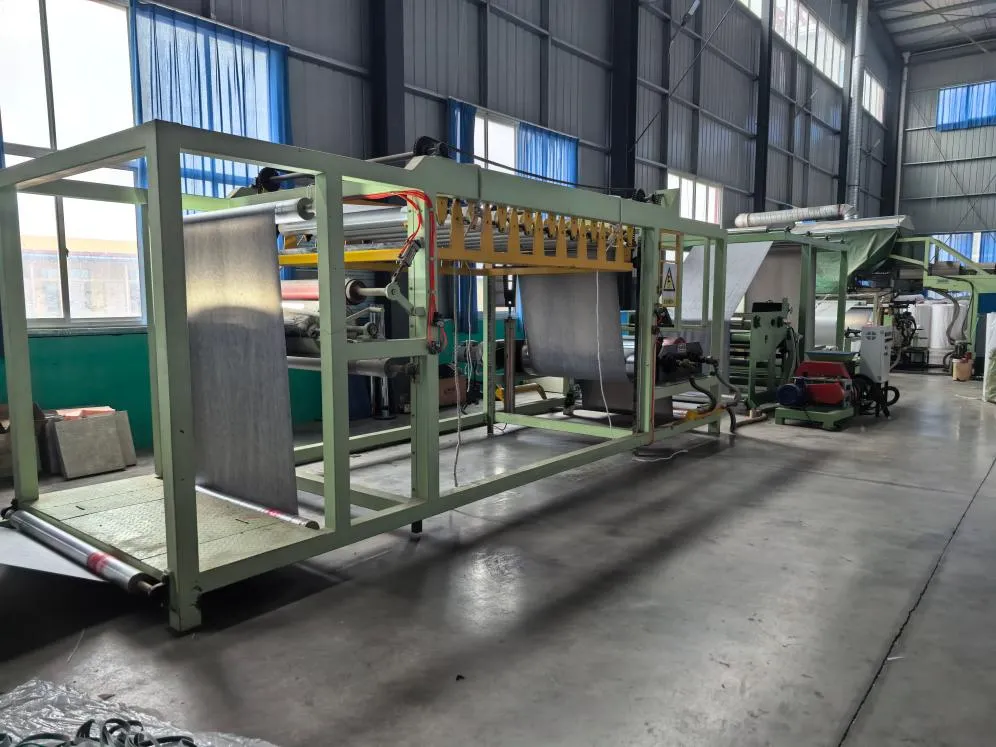
A TPU Color Steel Tile Self-Adhesive Production Line makes it possible to manufacture roofing materials with an integrated adhesive layer, allowing the bonding function to be added during production instead of being applied separately during installation.
But how does this technology work? Why are self-adhesive color steel tiles gaining attention in the construction industry? Let’s explore the technology behind this innovative roofing solution.
What Is Self-Adhesive Technology in Color Steel Tiles?
Self-adhesive technology refers to a manufacturing method that combines a bonding layer with the roofing material during production.
Instead of adding adhesive materials at the construction site, the bonding function is already integrated into the finished product.
A typical TPU self-adhesive color steel tile structure may include:
- Metal steel base layer
- Protective coating layer
- TPU composite layer
- Self-adhesive bonding layer
- Protective release film
This multi-layer structure helps combine the strength of metal with the flexibility and bonding advantages of TPU materials.
Why Are Traditional Color Steel Tile Installation Methods Changing?
Traditional color steel tile installation often requires multiple steps to achieve a stable roofing system.
Common processes include:
- Positioning the metal sheets
- Using mechanical fasteners
- Applying additional sealing materials
- Checking connection areas
While these methods are widely used, they may increase installation time and require additional materials.
Self-adhesive technology simplifies part of this process by integrating bonding performance into the material itself.
How Does TPU Self-Adhesive Technology Work?
The working principle is based on combining TPU material properties with adhesive layer technology.
Step 1: TPU Layer Formation
During production, TPU materials are processed through an extrusion system to create a flexible and durable surface layer.
TPU is known for characteristics such as:
- Elasticity
- Abrasion resistance
- Weather resistance
- Flexibility
Step 2: Composite Bonding Process
The TPU layer is combined with the steel tile substrate through a lamination process.
This creates a strong connection between different material layers.
Step 3: Adding the Self-Adhesive Layer
A special adhesive layer is applied during manufacturing and protected with a release film.
Before installation, users can remove the protective layer and activate the bonding surface.
Step 4: Final Processing
After cooling, shaping, and cutting, the finished color steel tiles are prepared for transportation and installation.
Traditional Color Steel Tile vs TPU Self-Adhesive Color Steel Tile
| Feature | Traditional Color Steel Tile | TPU Self-Adhesive Color Steel Tile |
|---|---|---|
| Installation Method | Requires separate fixing or sealing materials | Integrated adhesive layer design |
| Construction Process | More installation steps | Simplified installation process |
| Material Structure | Mainly metal sheet and coating | Multi-layer composite structure |
| Flexibility | Limited by metal structure | Improved through TPU layer |
| Application Efficiency | Depends on installation conditions | Designed for faster application |
What Are the Advantages of Self-Adhesive Color Steel Tiles?
1. Faster Installation Process
Because the adhesive function is integrated into the material, installers may reduce some additional preparation steps.
This can be useful for projects that require faster construction schedules.
2. Reduced Dependence on Additional Materials
Traditional installation may require extra bonding materials or sealing products.
Self-adhesive designs combine multiple functions into one material system.
3. Cleaner Construction Process
A factory-produced adhesive layer provides a more controlled bonding solution compared with applying adhesive manually on-site.
4. Better Design Flexibility
The combination of TPU and steel allows manufacturers to create roofing materials with different surface designs, colors, and performance characteristics.
Why Is TPU Suitable for Self-Adhesive Color Steel Tiles?
TPU (Thermoplastic Polyurethane) is a versatile polymer material widely used in applications requiring flexibility and durability.
Its characteristics make it suitable for composite roofing materials:
- Good flexibility under different conditions
- Resistance to wear and environmental factors
- Strong bonding potential with suitable formulations
- Ability to create lightweight composite structures
Applications of TPU Self-Adhesive Color Steel Tiles
With their combination of metal strength and polymer flexibility, these materials can be used in various construction scenarios.
- Residential roofing
- Commercial buildings
- Temporary structures
- Industrial facilities
- Renovation projects
The Future Trend of Self-Adhesive Building Materials
The construction industry is increasingly looking for materials that are easier to install, lighter, and more efficient.
Future development of self-adhesive roofing materials may focus on:
- Improved bonding performance
- More environmentally friendly materials
- Faster installation methods
- Better weather resistance
- Smarter composite structures
Self-adhesive technology is changing traditional color steel tile installation by moving part of the bonding process from the construction site to the manufacturing stage.
Through a TPU Color Steel Tile Self-Adhesive Production Line, manufacturers can create composite roofing materials that combine metal strength, polymer flexibility, and integrated adhesive functions.
As the demand for efficient and modern building materials continues to grow, self-adhesive roofing solutions may become an important direction in future construction development.
Send Inquiry



X
We use cookies to offer you a better browsing experience, analyze site traffic and personalize content. By using this site, you agree to our use of cookies.
Privacy Policy